Back Again Basics
Nerve Mobility Program
For pain or tingling that radiates into your glute or leg.
92 sessions · 20 weeks · Free
Before you start
Red Flags: When to Stop and Seek Medical Care
Most back pain is manageable with the right approach. But there are specific symptoms that require immediate medical attention. These are non-negotiable. If you experience any of the following, see a doctor:
• New bladder or bowel problems (difficulty controlling either) • Numbness around the saddle/groin area • Rapidly worsening leg weakness • Unexplained fever, chills, or weight loss • Severe pain after a significant trauma • Feeling physically unsafe
These are rare, but they're serious. Everything else in this program assumes that red flags are not present. If any of these show up at any point, pause the program and get in-person care.
Every session has a “Does this hurt?” button. Tap it if something doesn’t feel right.
This educational content does not constitute medical advice. For diagnosis or treatment, please consult a clinician.
What this program focuses on
Your program is the most carefully sequenced of all the programs. Nerve gliding exercises and decompression are prioritized from the start. Stretches (hamstring, figure-4, and similar) are deliberately held back until later when the nerve has had time to settle. Core stability exercises are introduced progressively without positions that load the nerve. Cat-cow is delayed because both directions can be provocative when the nerve is irritated. The approach: calm the nerve down first, build strength second, reintroduce stretches when things have improved.
All 92 sessions
Phase 1
Calm
Weeks 1-2 · 5 sessions/week · Walking 10 min → 12-15 min
Phase 2
Confident Foundations
Weeks 3-4 · 5 sessions/week · Walking 18-20 min → 20-25 min
Optional relief techniquesas needed
Give each of these a try if you haven’t already. Whichever ones become your favourites, do them as desired for extra relief.
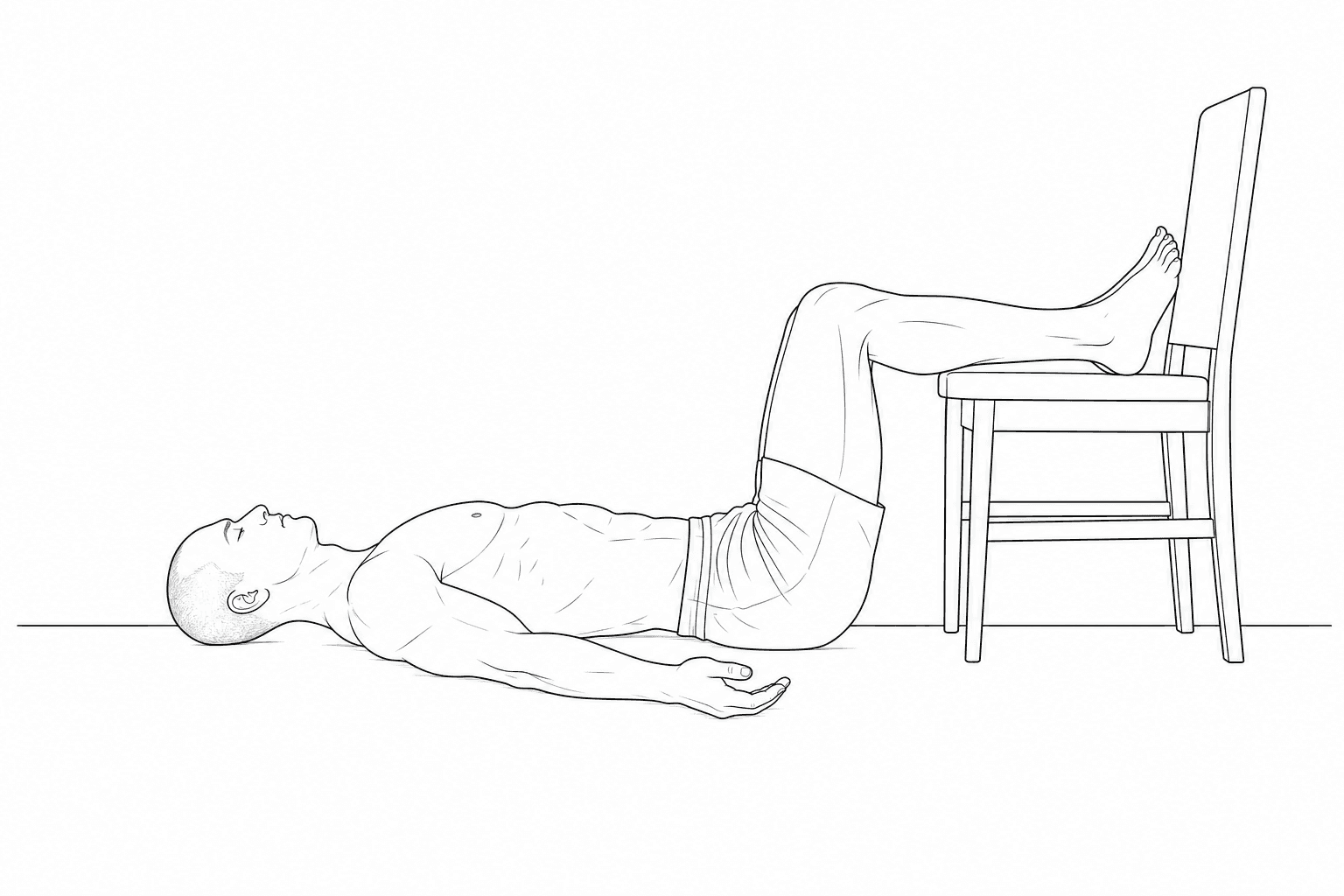
Floor 90-90 decompression · As needed
Featured relief: lie on your back, calves up on a chair/couch; offloads the nerve
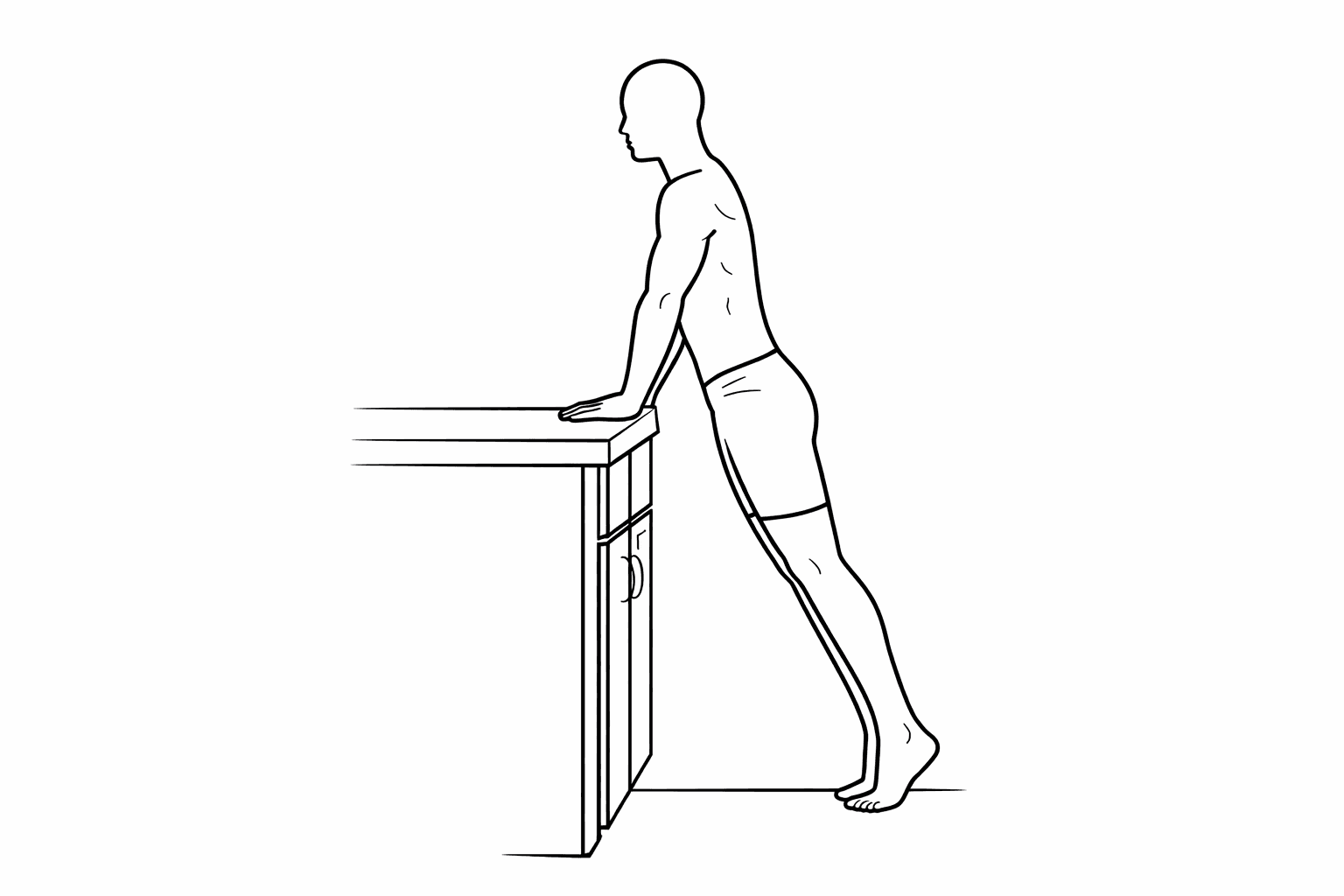
Bench / countertop decompression lean · As needed
Optional relief: useful, decompresses the posterior disc off the nerve
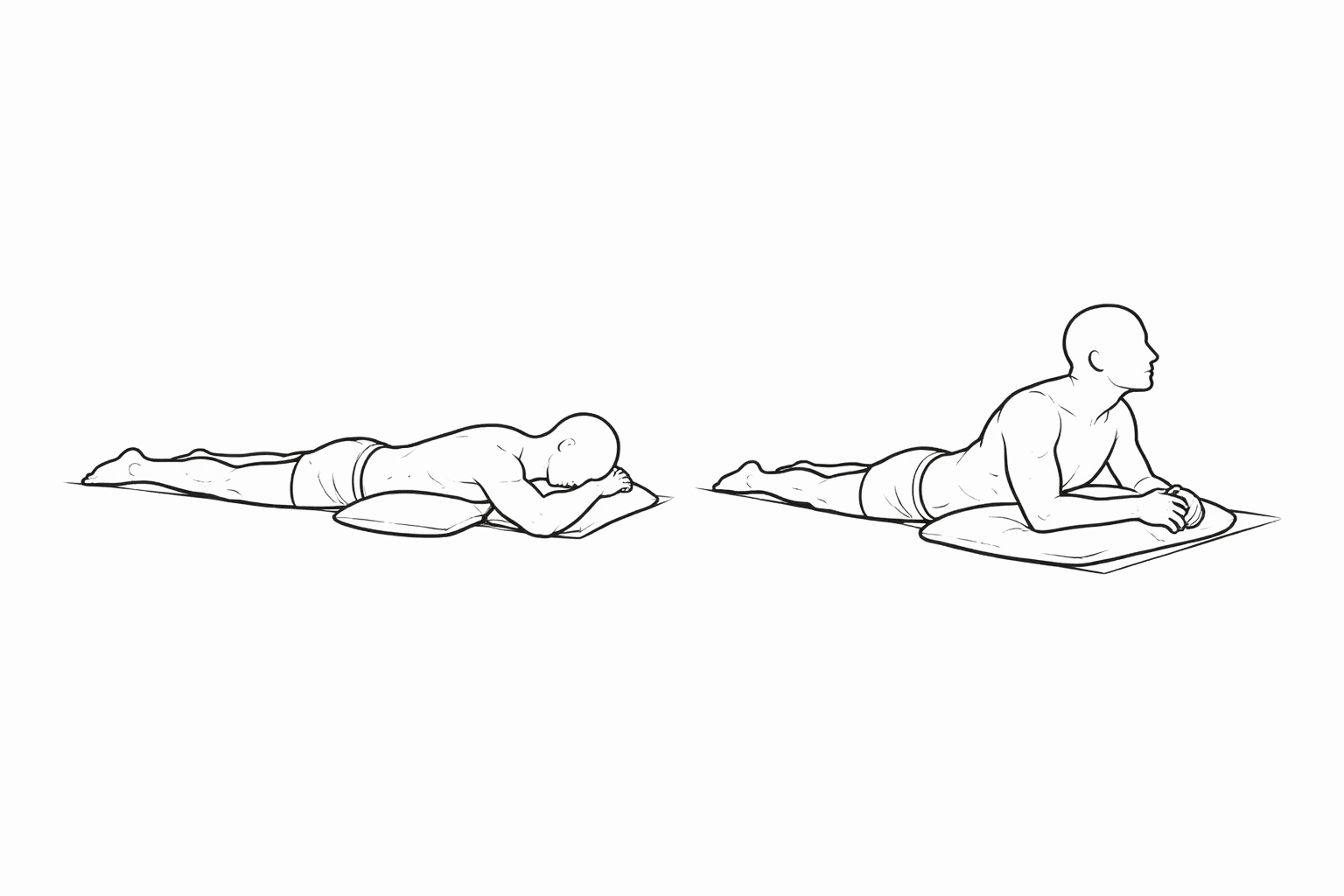
Prone tummy lying (relaxed) · As needed
Optional relief: some people get no relief from prone or decompression, and that's completely fine. Stop if it worsens leg symptoms
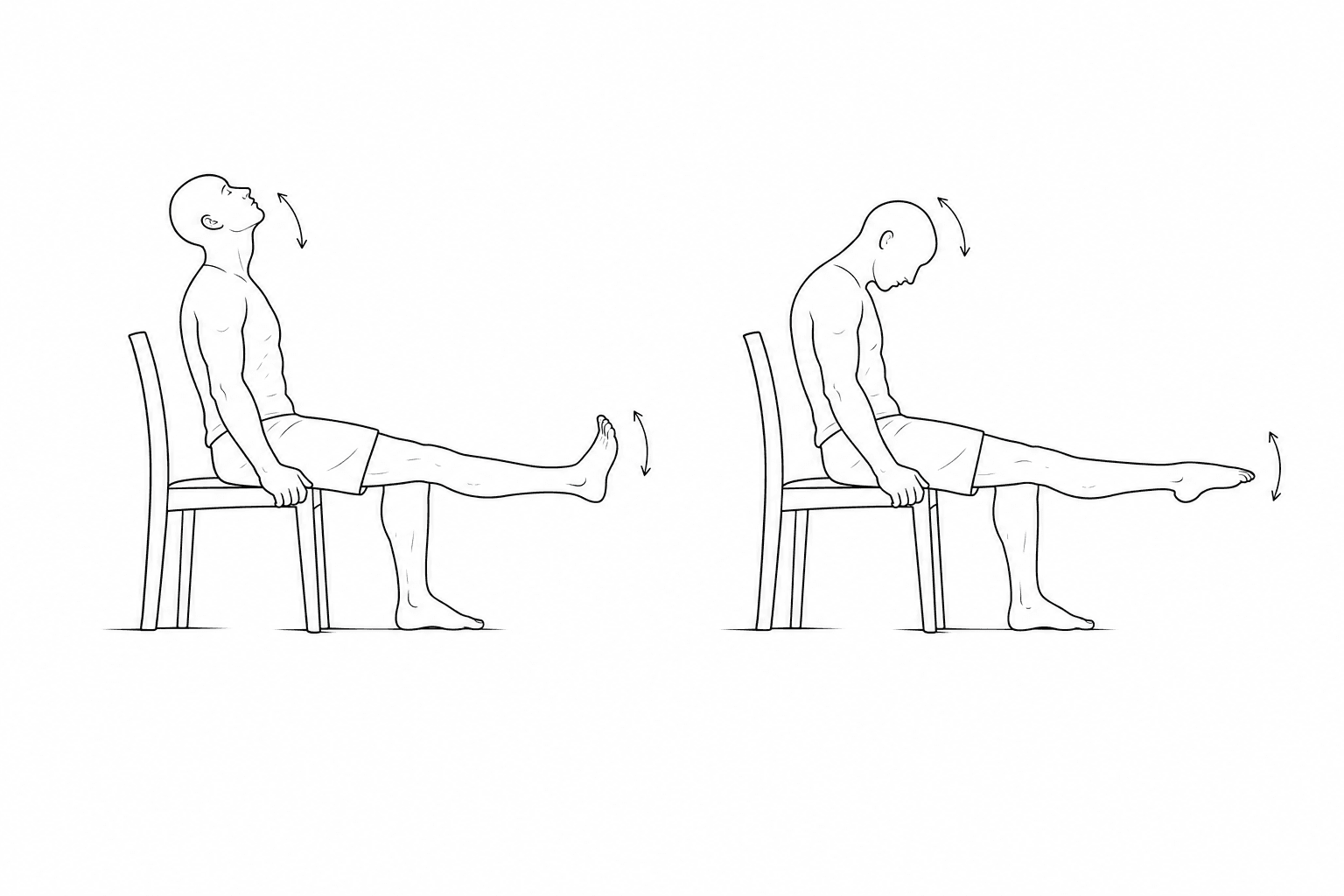
Seated sciatic nerve slider · 20+ slow reps/side, as needed
Preferred slider. Can't comfortably hold your leg up? Swap in the lying slider: same drill, with the floor doing the holding. ⚠️ Peripheralizing (symptoms moving DOWN the leg) → stop. Centralizing (retreating toward the spine) → continue. Progressive weakness, saddle numbness, or bladder/bowel changes → seek medical care.
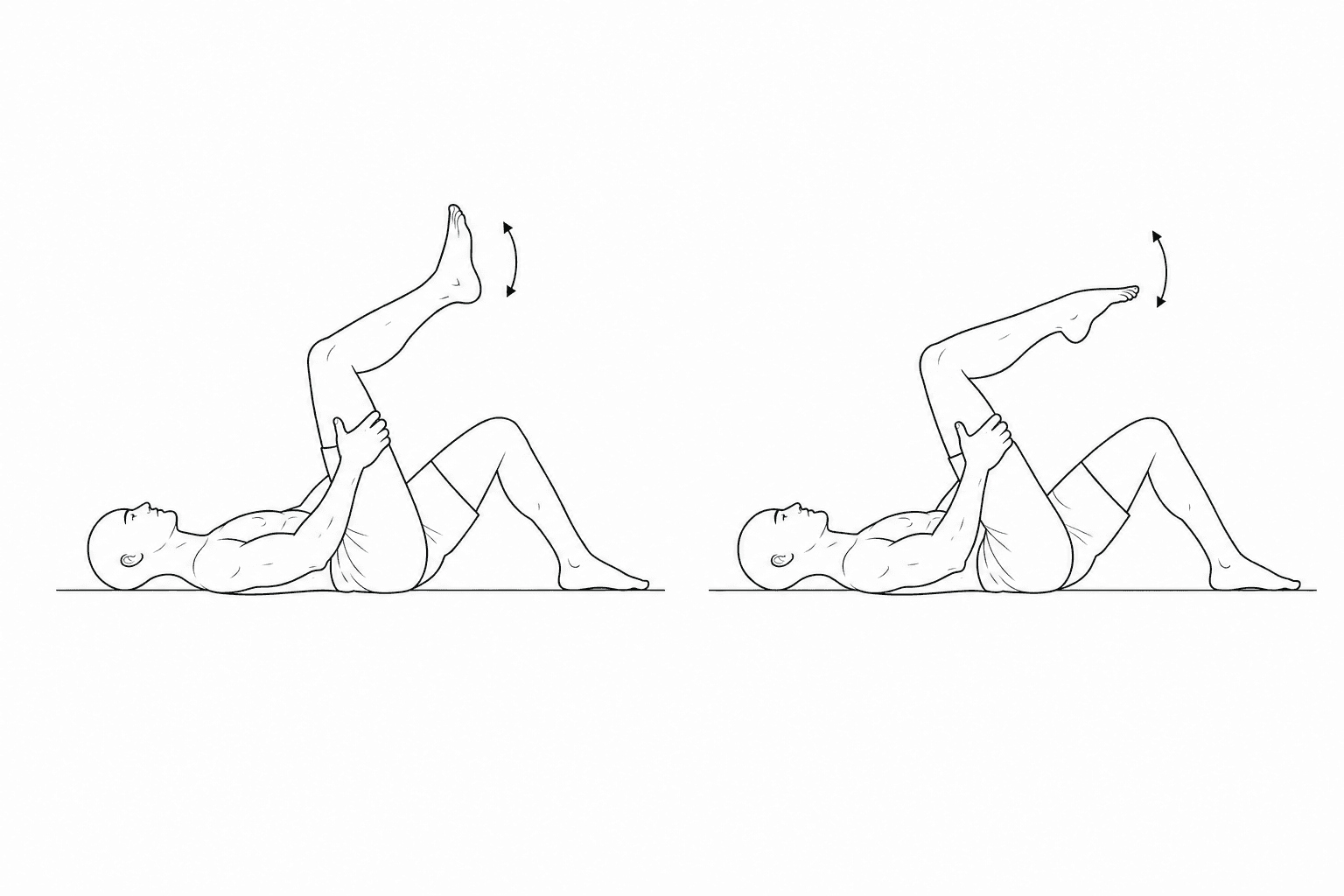
Lying sciatic nerve slider · 20+ slow reps/side, as needed
Optional alternative if holding your leg up is too demanding. ⚠️ Peripheralizing (symptoms moving DOWN the leg) → stop. Centralizing (retreating toward the spine) → continue. Progressive weakness, saddle numbness, or bladder/bowel changes → seek medical care.
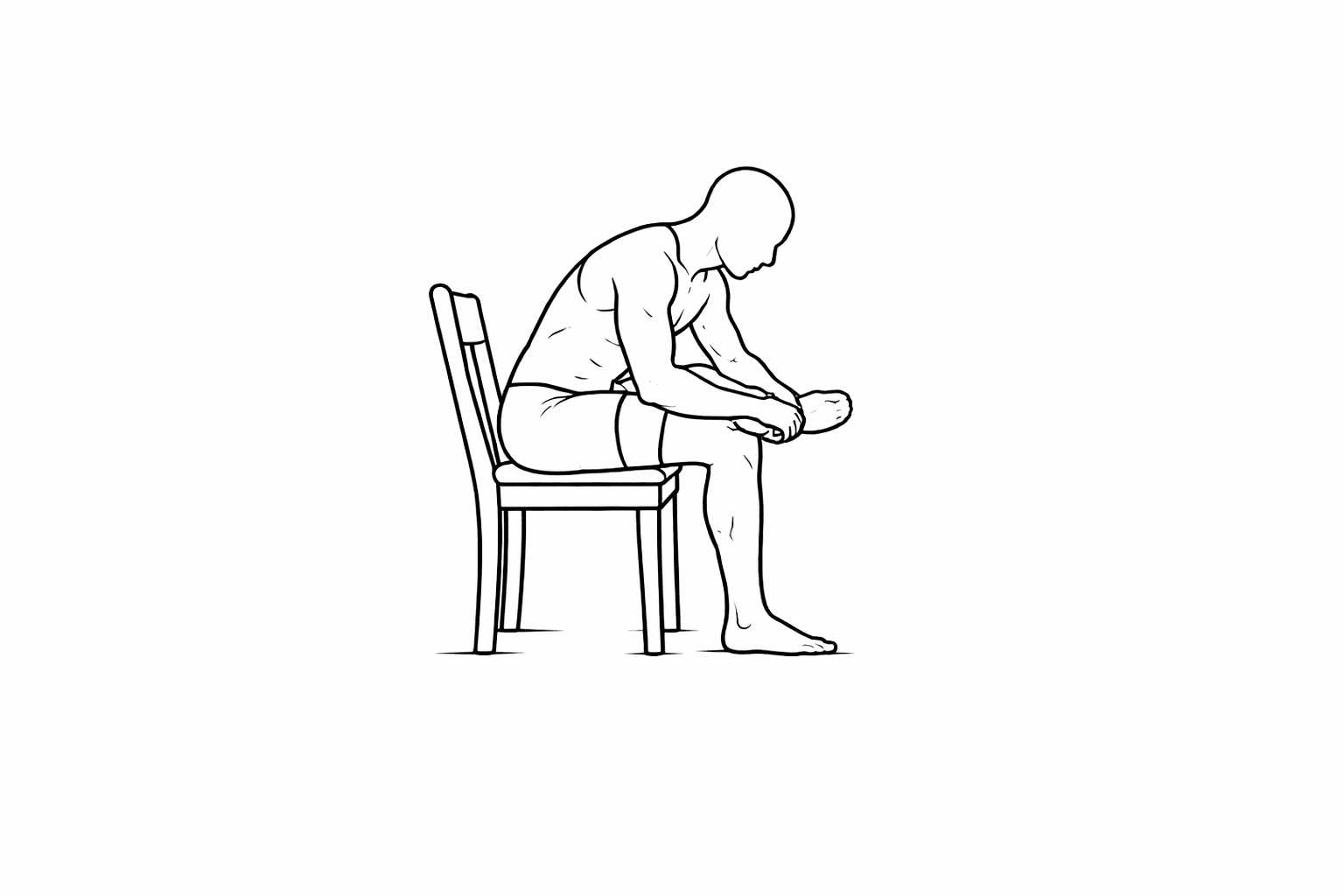
Figure-4/piriformis stretch · 1 × 20-30s/side
Optional: bent knee + neutral spine, safe
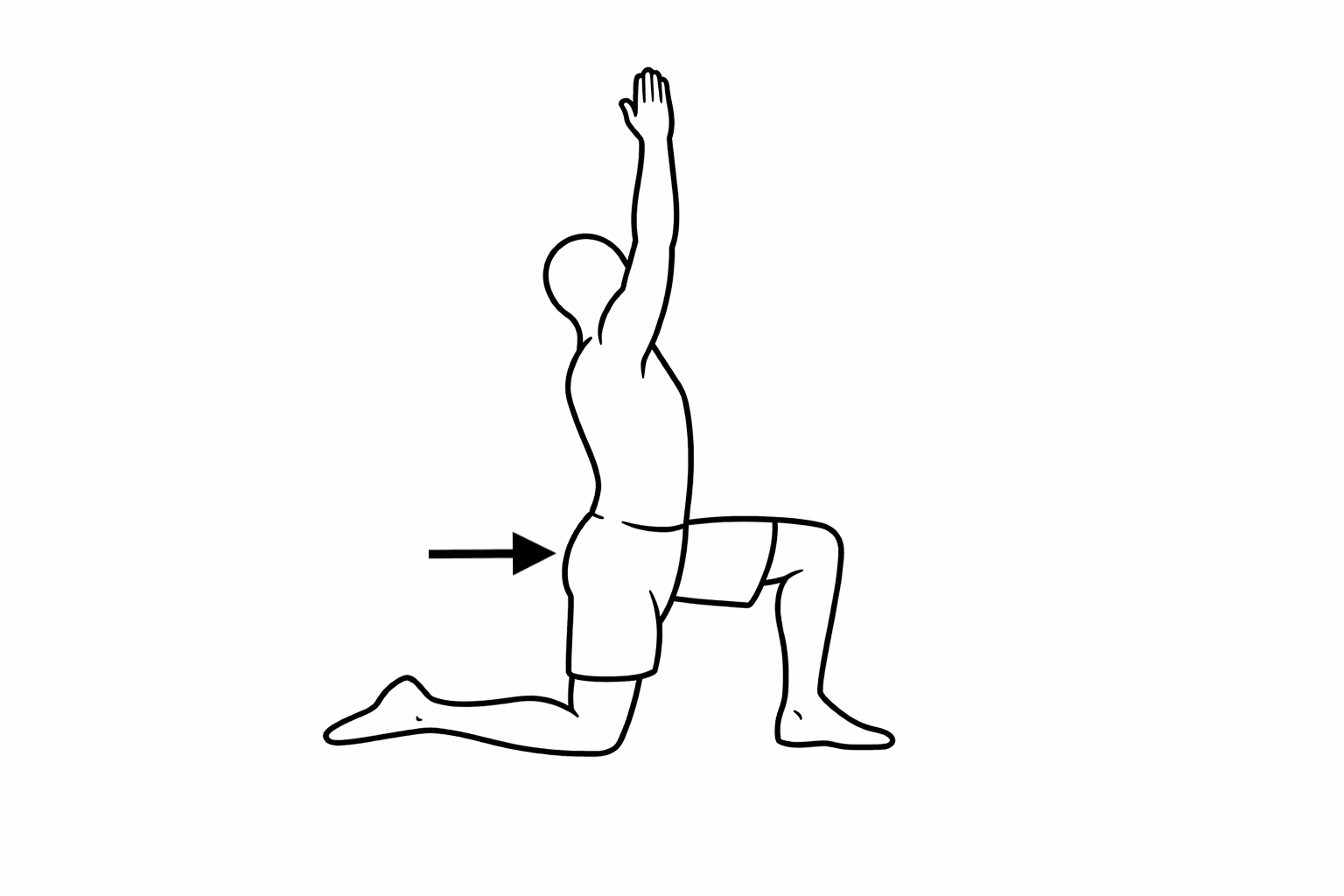
Hip flexor stretch (half-kneeling) · 1 × 20-30s/side
Optional: ribs down, don't arch
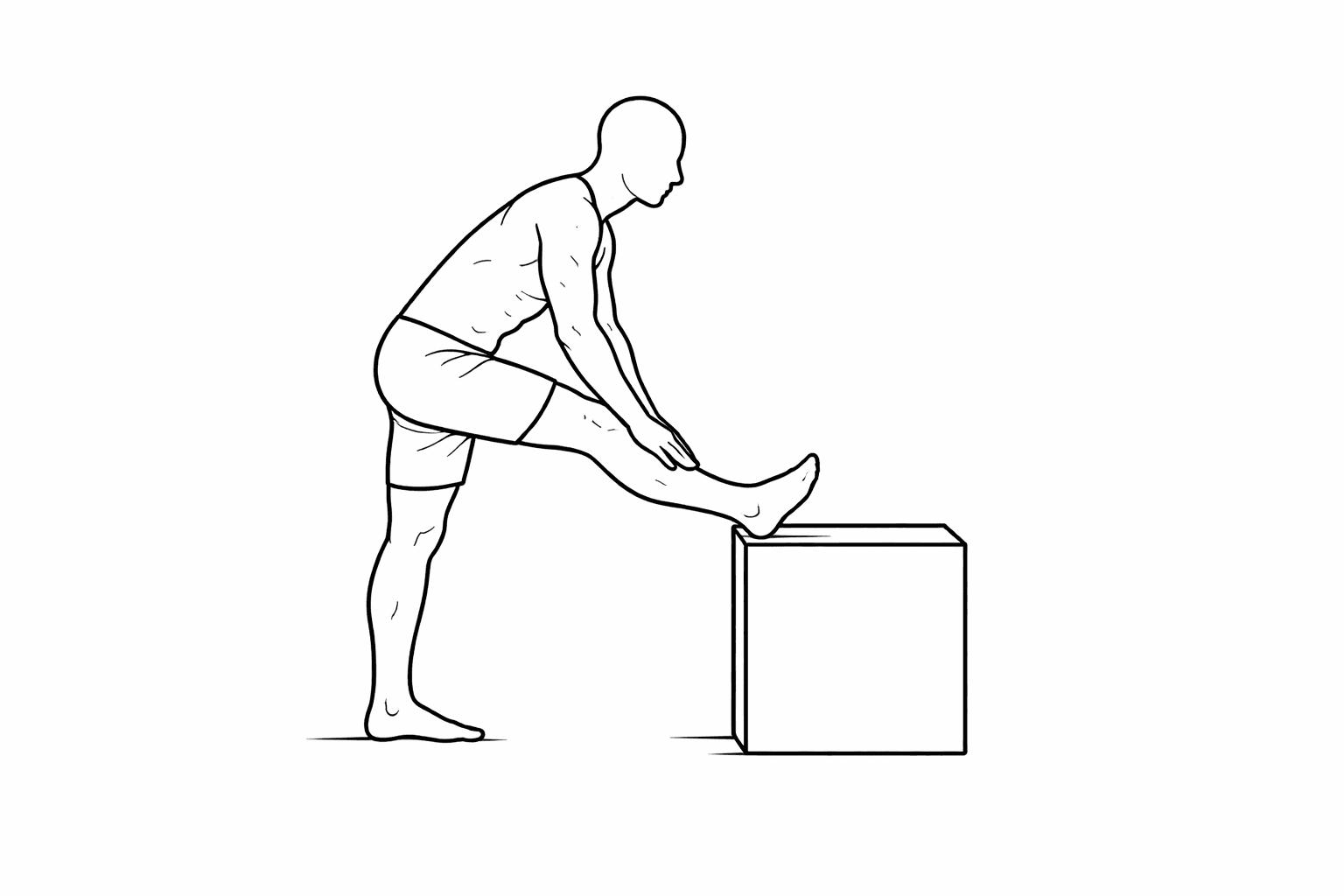
Standing hamstring stretch · 1 × 20-30s/side
Optional: straight-leg hamstring tensions the nerve; skip until leg/nerve symptoms have calmed down
Phase 3
Strength & Resilience
Weeks 5-16 · 5 sessions/week · Walking 30 min
S = strength day · M = mobility day
Optional relief techniquesas needed
Give each of these a try if you haven’t already. Whichever ones become your favourites, do them as desired for extra relief.
Floor 90-90 decompression · As needed
Featured relief: lie on your back, calves up on a chair/couch; offloads the nerve
Bench / countertop decompression lean · As needed
Optional relief: useful, decompresses the posterior disc off the nerve
Prone tummy lying (relaxed) · As needed
Optional relief: some people get no relief from prone or decompression, and that's completely fine. Stop if it worsens leg symptoms
Seated sciatic nerve slider · 20+ slow reps/side, as needed
Preferred slider. Can't comfortably hold your leg up? Swap in the lying slider: same drill, with the floor doing the holding. ⚠️ Peripheralizing (symptoms moving DOWN the leg) → stop. Centralizing (retreating toward the spine) → continue. Progressive weakness, saddle numbness, or bladder/bowel changes → seek medical care.
Lying sciatic nerve slider · 20+ slow reps/side, as needed
Optional alternative if holding your leg up is too demanding. ⚠️ Peripheralizing (symptoms moving DOWN the leg) → stop. Centralizing (retreating toward the spine) → continue. Progressive weakness, saddle numbness, or bladder/bowel changes → seek medical care.
Figure-4/piriformis stretch · 1 × 20-30s/side
Optional: bent knee + neutral spine, safe
Hip flexor stretch (half-kneeling) · 1 × 20-30s/side
Optional: ribs down, don't arch
Standing hamstring stretch · 1 × 20-30s/side
Optional: straight-leg hamstring tensions the nerve; skip until leg/nerve symptoms have calmed down
Phase 4
Maintenance
Weeks 17-20 · 3 sessions/week · Walking 30 min
Optional relief techniquesas needed
Give each of these a try if you haven’t already. Whichever ones become your favourites, do them as desired for extra relief.
Floor 90-90 decompression · As needed
Featured relief: lie on your back, calves up on a chair/couch; offloads the nerve
Bench / countertop decompression lean · As needed
Optional relief: useful, decompresses the posterior disc off the nerve
Prone tummy lying (relaxed) · As needed
Optional relief: some people get no relief from prone or decompression, and that's completely fine. Stop if it worsens leg symptoms
Seated sciatic nerve slider · 20+ slow reps/side, as needed
Preferred slider. Can't comfortably hold your leg up? Swap in the lying slider: same drill, with the floor doing the holding. ⚠️ Peripheralizing (symptoms moving DOWN the leg) → stop. Centralizing (retreating toward the spine) → continue. Progressive weakness, saddle numbness, or bladder/bowel changes → seek medical care.
Lying sciatic nerve slider · 20+ slow reps/side, as needed
Optional alternative if holding your leg up is too demanding. ⚠️ Peripheralizing (symptoms moving DOWN the leg) → stop. Centralizing (retreating toward the spine) → continue. Progressive weakness, saddle numbness, or bladder/bowel changes → seek medical care.
Figure-4/piriformis stretch · 1 × 20-30s/side
Optional: bent knee + neutral spine, safe
Hip flexor stretch (half-kneeling) · 1 × 20-30s/side
Optional: ribs down, don't arch
Standing hamstring stretch · 1 × 20-30s/side
Optional: straight-leg hamstring tensions the nerve; skip until leg/nerve symptoms have calmed down